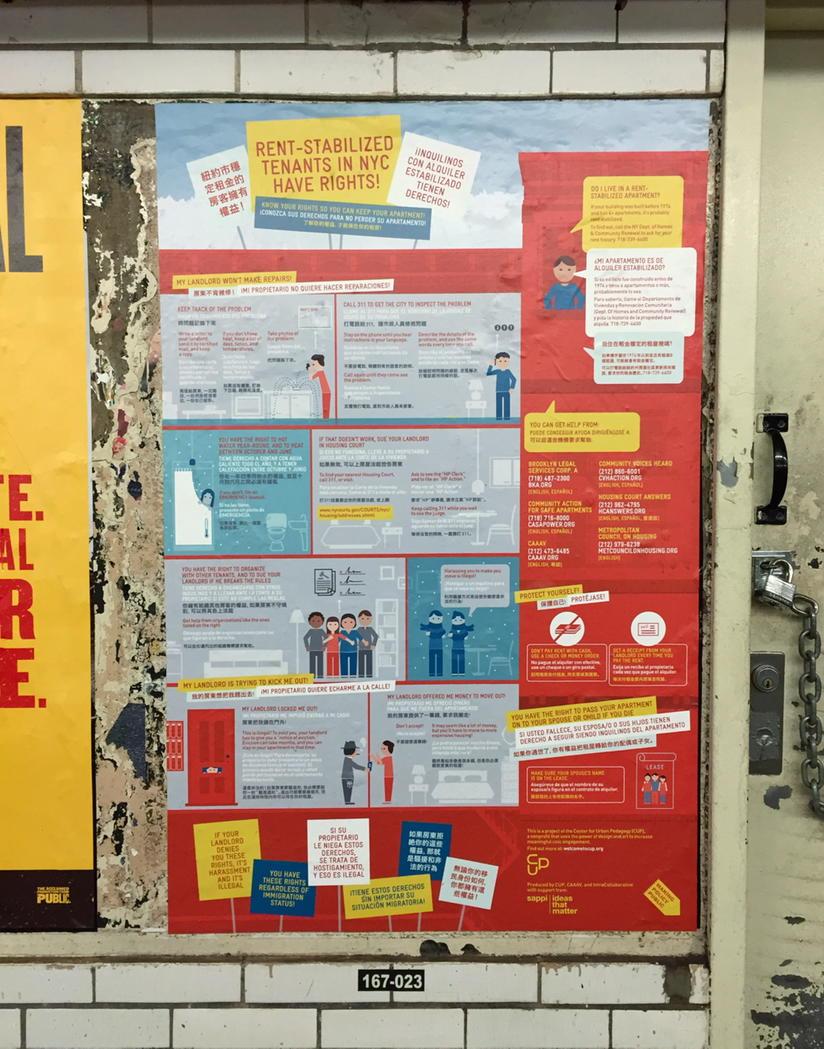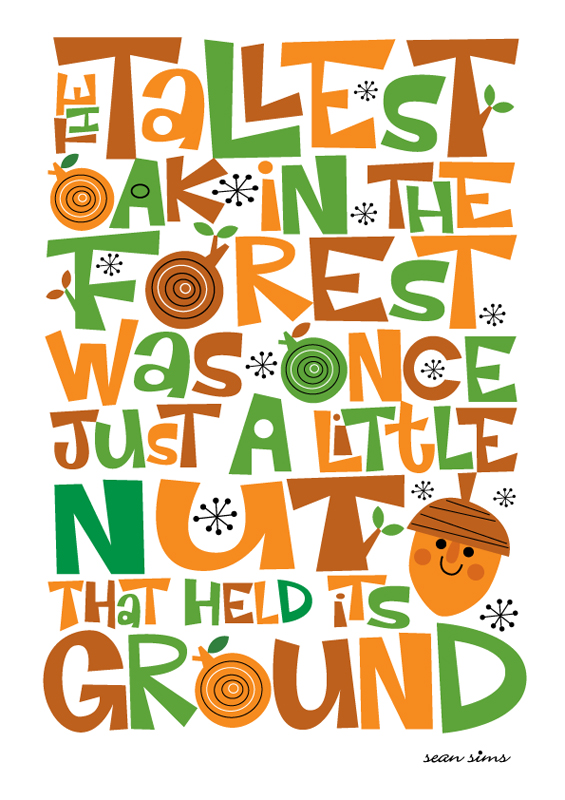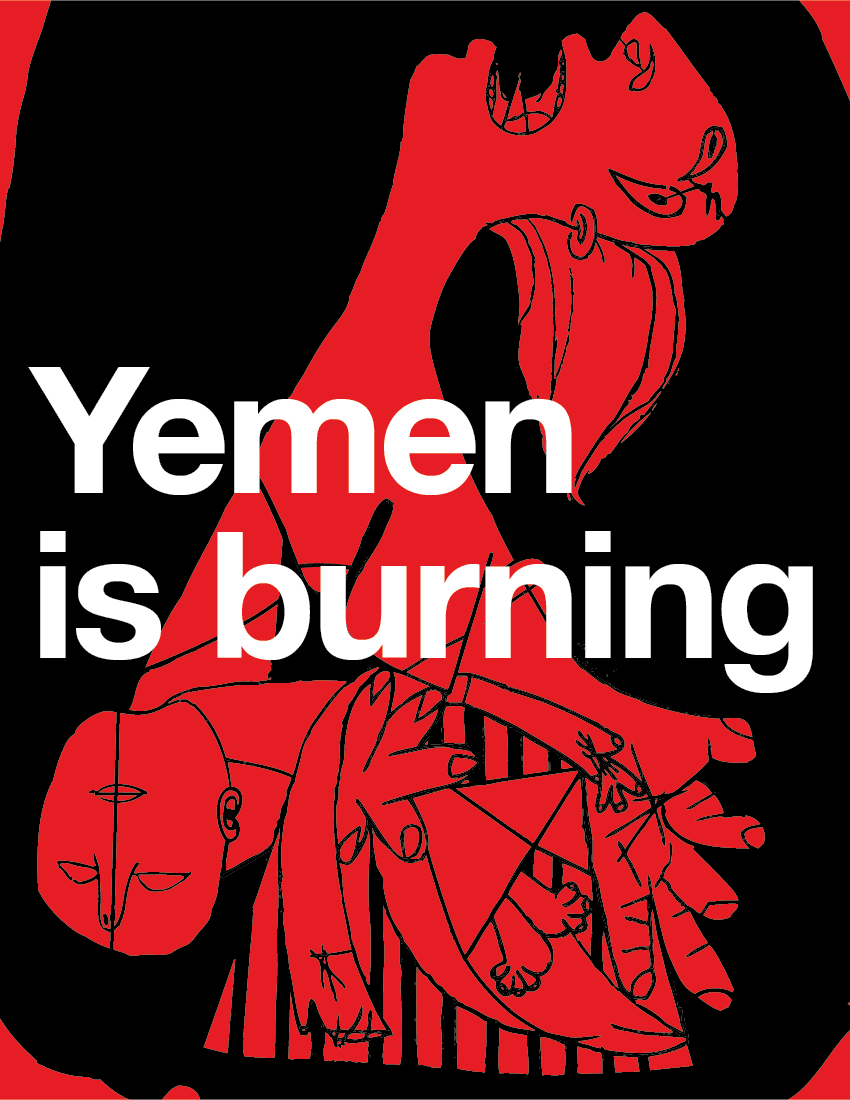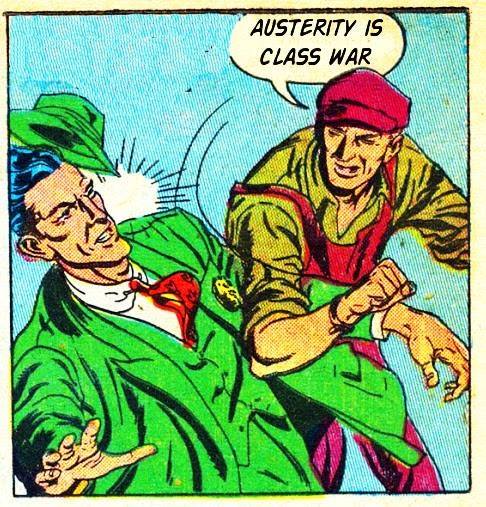
Colectivo.Aliados 2.0 has a nice Flickr set of posters and photographs on migration and displacement. These are some of my favorites:
See previous online galleries of their poster work on war, the women of Juárez and domestic violence.

By Polish poster designer Paweł Synowiec. I found this on Flickr while searching for something else. It stopped me cold.
A year ago, I received an email from “Tony:”
“I have looked all over the web, and just can’t find the simple themes that can be posted to the back of poster board or foam board and used at street vigils. I just need simple stuff for 11 by 17 AND 8 1/2 BY 11 COPYING.
Can you help? The power of one or two people in public holding simple antiwar protest messages is great. I just can’t find anything on the net that isn’t too artsy-fartsy, or too damn pacifist-wimpy.”
I smacked into this “artsy-fartsy” factor again a few weeks ago when United for Peace and Justice asked if I could turn out some poster designs on short notice. They sent their final copy and I set to thinking about how to represent things iconographically in a beautiful, compelling way. I rummaged through the usual toolbox (coffins, dollars, boots, ribbons, etc.) as well as play with color and typographic notes (big X’s, oversized punctuation, etc.) One slogan in particular raised an interesting problem: how to graphically represent “community” for marches in eleven very different cities.
Nevertheless, over the weekend’s iteration the org requested the gradual removal of all imagery, iconography, and embellishment. I was trying to do something graphically interesting to myself, but the group had a very specific use case in mind. The posters were not intended for pasting on the street, to attract passersby with flourish, humor, or imagery. They wanted something to be carried high and read from a distance, particularly when reproduced in photos, newspaper clippings, or seconds-long TV news highlights. As such, these were props to represent the march in memory as much as in person, to disappear and punch the message through network editing and newspaper cropping. The simpler and bolder the better.
With a little more time I would have refined these further, but here are the results below. Click on a thumbnail to download a printable PDF.
A flyer I designed appears on the front page of today’s edition of the Ma’ariv, the second largest newspaper in Israel.

Here’s a close up:

The flyer is for a campaign by Alliance for Justice in the Middle East, a student group at Harvard University.
The text calls attention to the enrollment of former Israeli general Dan Halutz in the Advanced Management Program at Harvard Business School. Halutz oversaw the bombing of Lebanon in the summer of 2006. See his dossier here.
And he’s not the first accused war criminal enrolled by Harvard. See a short list of bios on the AJME site. The AJME is campaigning to establish a set of practices to screen for war criminals and serious human rights abusers as part of its admissions and hiring policies.
The campaign was relatively modest to achieve such front page coverage. The group set up a free web site on blogspot. They printed up the flyer and handed it out on campus. They also sent out a press release about the campaign, which resulted in front page coverage.
Here’s the full article in Hebrew on the Ma’ariv web site and AJME’s English translation of it.
Click below for a larger version of the flyer:
For contrast, see another iteration below. I think it’s a little more evocative, but maybe less direct.
Update: The flyer is featured online at Time and Al Jazeera. See other coverage of the campaign.
Funny to see police and firefighters making their case with street posters (and with such an ‘oppositional’ style) — considering its the police who enforce the vandalism laws. I guess the streets are it when you feel the government has abandoned you.

A great action in NYC, taping placards over those outdoor video billboards attached to subway entrances. The typography is composed of holes in the board, illuminated by the video ad beneath.
The project is Light Criticism, brought to you by the Anti-Advertising Agency and the Graffiti Research Lab.
In form, it reminds me of the work of Moose, writing his name on walls by cleaning them.
In context, it’s a lot like this guerilla wayfinding campaign, a grassroots, illegal action for civic improvement.
The city of Aubervilliers has posted images of hundreds of posters created by members of the French design collective Grapus before, during, and after their official establishment from 1970 to 1990. Grapus emerged from the Atelier Populaire in May 1968.
It’s not the easiest site to navigate — once you click on a category, the tiny page numbers appear to the right, just under the thumbnails.
Grapus was active in Aubervilliers in the 1980’s and deposited their work with the city archives — who eventually posted them online just last month. The archive is the most complete collection of their ouput, consisting of 863 posters spanning 20 years of collective work on social, cultural and political issues. (Thanks, Gilles!)